




- Not available
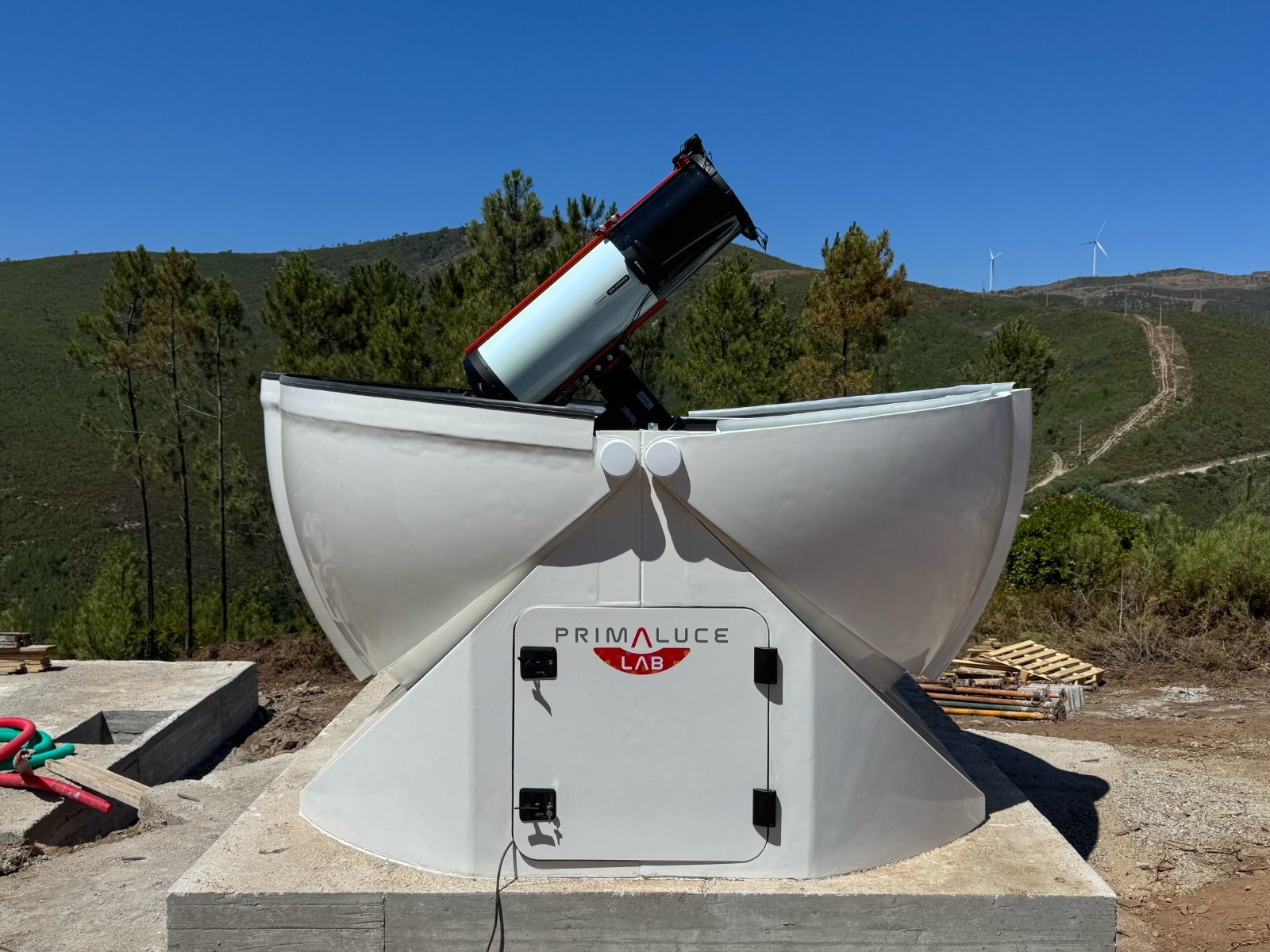
You receive a complete astronomical observatory from a single supplier, instead of a list of components from five different vendors that someone in your department has to integrate. We design it around your site and your programme, assemble and test it in Italy, then install it and train your staff.

Building an observatory the traditional way means buying a dome from one company, a mount from another, a telescope from a third, a camera from a fourth, and then finding someone who can make them work together. That integration work is where most institutional observatory projects lose months, and sometimes never recover.
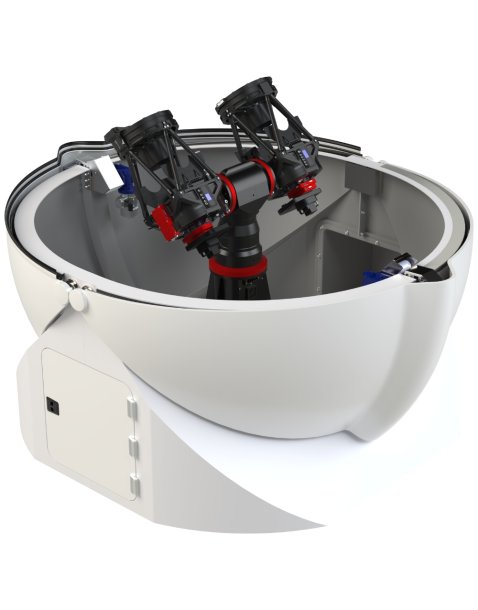
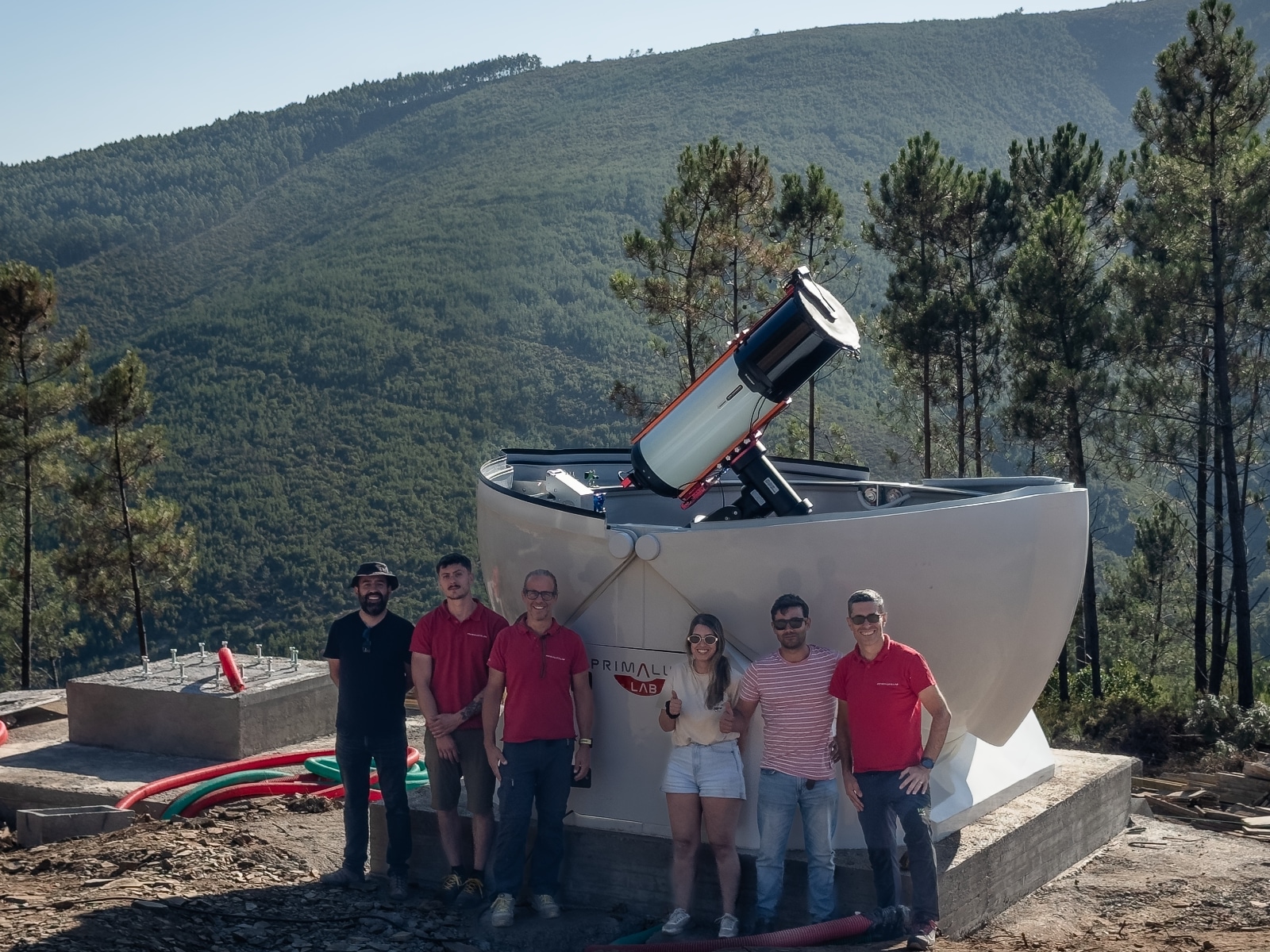
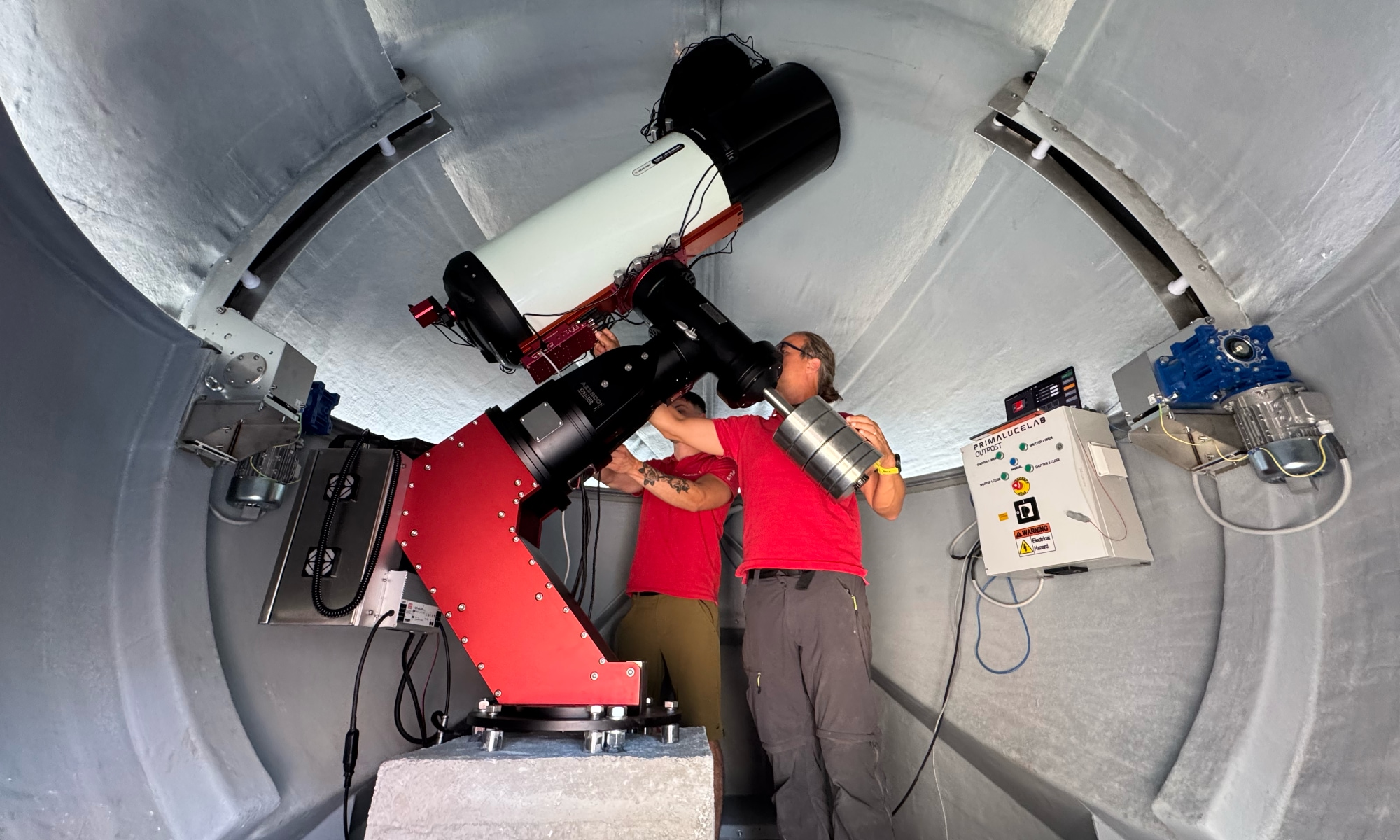
An Observatory Station arrives already integrated. Dome, pier, mount, optics, cameras, focusers, rotators, calibration devices and control computer are designed as one system, assembled and tested in our factory in Italy, then installed on your site by our own team. The instruments are still chosen with you, not imposed: you decide the optical tube, and the camera your programme needs, and we build the observatory around them.
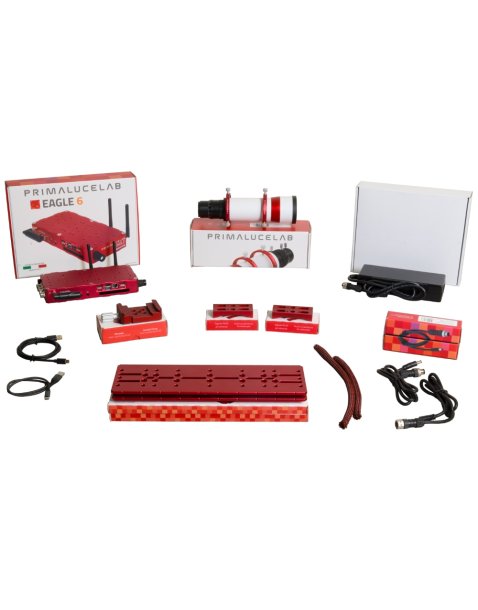
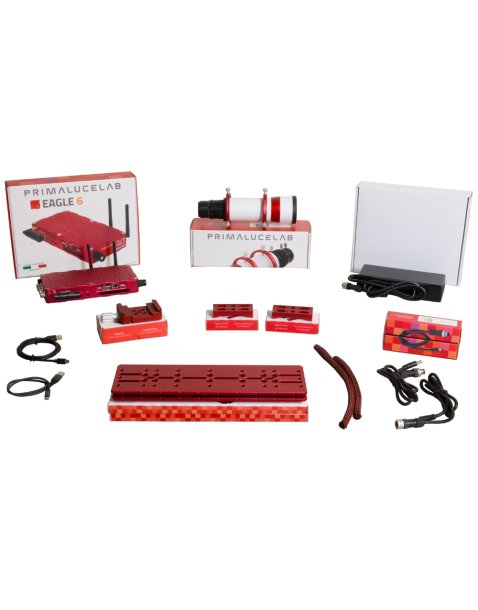
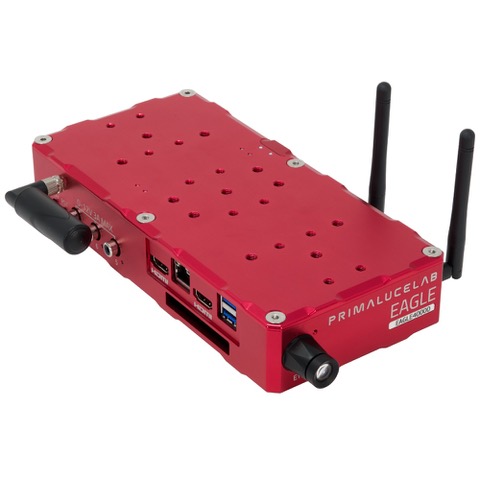
Everything is remotely controlled. The EAGLE computer powers and manages every device, PLAY software runs the whole observatory from one interface, and the ASCOM platform lets you add third party software and instruments whenever your work changes. This is the difference between an observatory that gets used every week and one that stays closed because nobody has time to set it up.
| DUAL-COMPACT | ASTRO-RES | DUAL-PRO | BINO-SSA | |
|---|---|---|---|---|
| Configuration | Two telescopes in parallel | Single or dual telescope | Two telescopes in parallel | Two telescopes in parallel |
| Mount | Alt-azimuth on heavy pier | Equatorial | High precision alt-azimuth, high load capacity | High precision Alt-azimuth or Equatorial, high load capacity |
| Optics | One short and one long focal length | Optical tube of your choice | Larger apertures, your choice | Optimised for a very large field of view |
| Dome | OUTPOST 3M, fully opening | OUTPOST 3M, fully opening | OUTPOST 3M, fully opening | OUTPOST 3M, fully opening |
| Included automation | ESATTO, ARCO, GIOTTO, ALTO, ECCO | ESATTO, ARCO, GIOTTO, ALTO, ECCO | ESATTO, ARCO, GIOTTO, ALTO, ECCO | ESATTO, ARCO, GIOTTO, ALTO, ECCO |
| Remote control | EAGLE, PLAY and ASCOM | EAGLE, PLAY and ASCOM | EAGLE, PLAY and ASCOM | EAGLE, PLAY and ASCOM |
| Typically chosen by | Schools, science centres, first observatory projects | Universities and research institutes | Research institutes and advanced programmes | Wide field survey and space monitoring programmes |
| Price from | €58,000 | €65,000 | €125,000 | €129,000 |
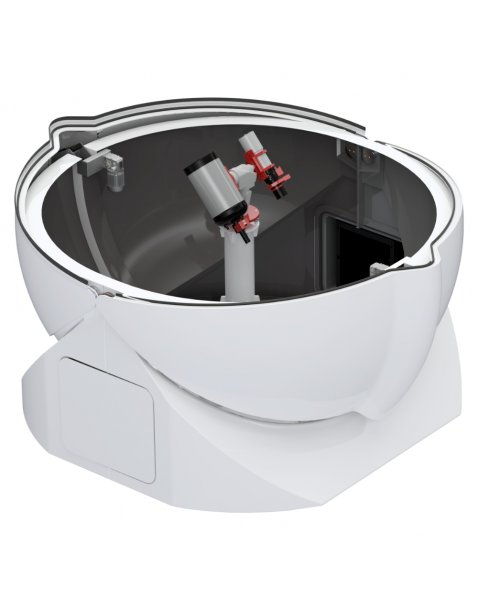
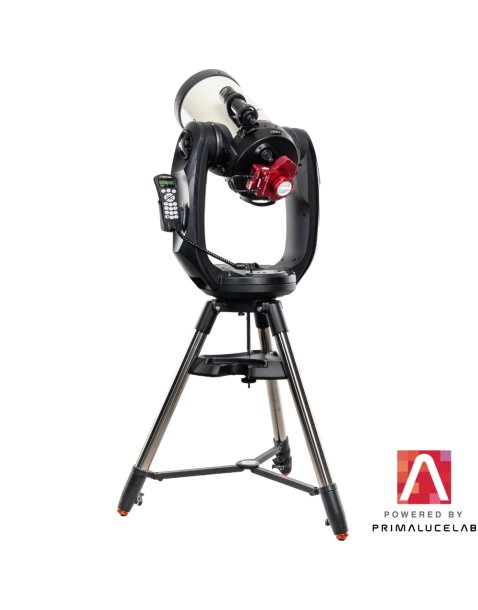
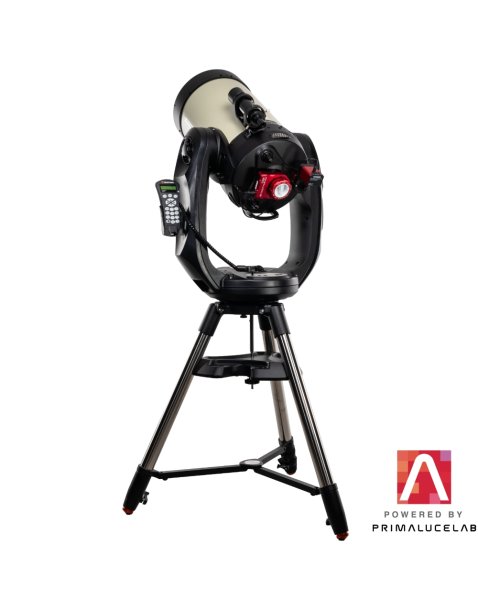
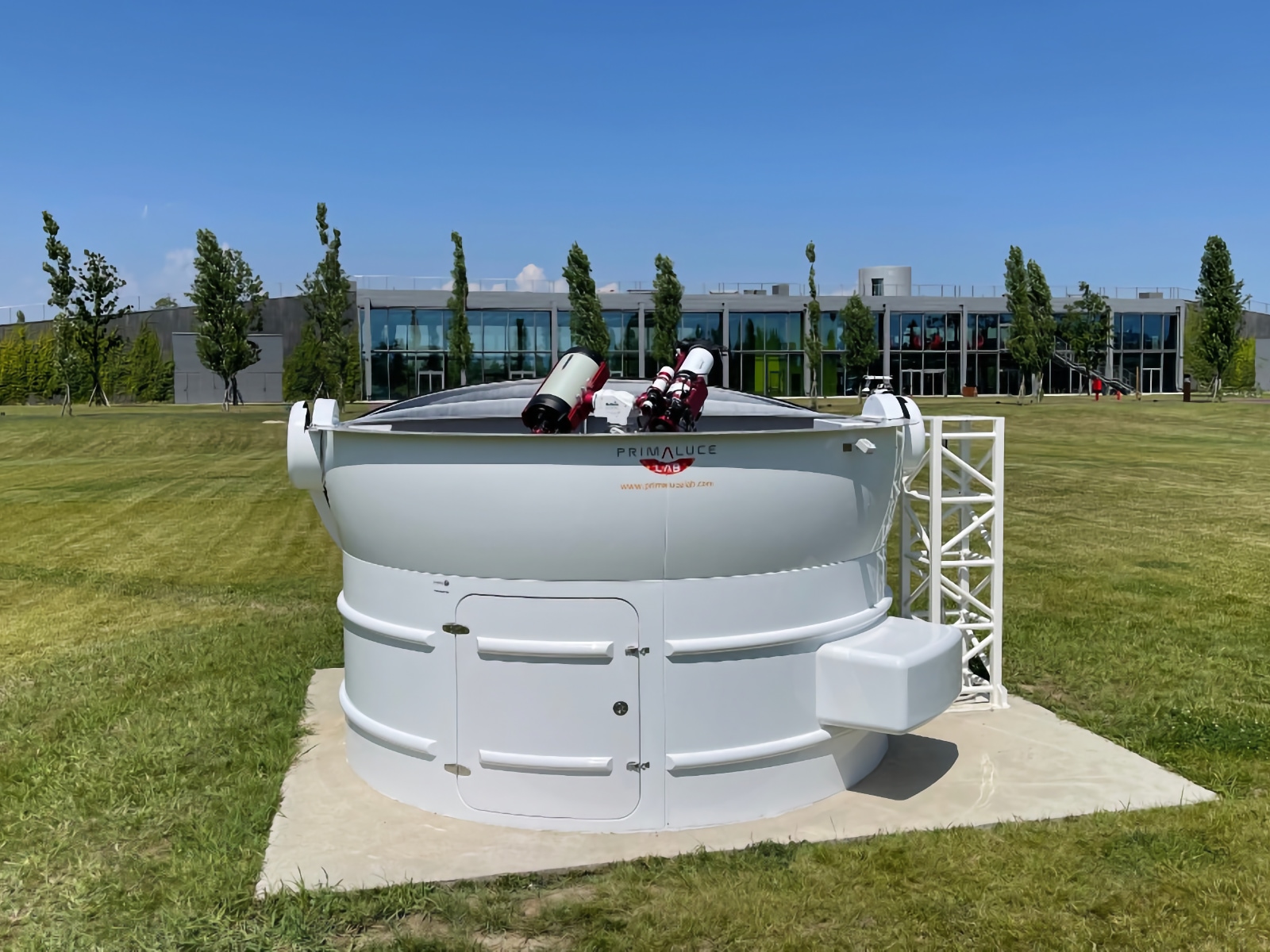
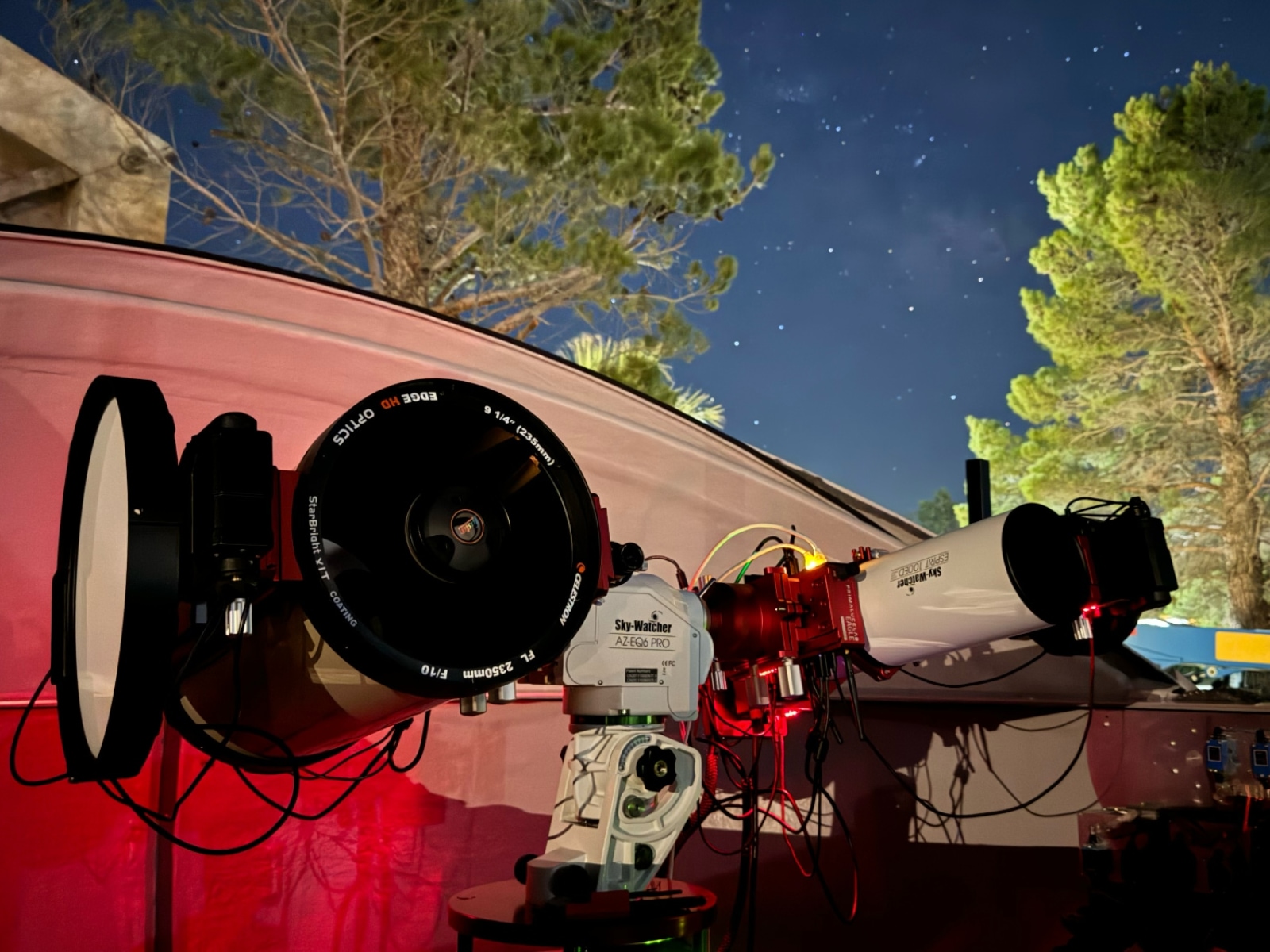
DUAL-COMPACT is the entry point into a complete astronomical observatory. Two telescopes work in parallel on a single alt-azimuth mount, one with a short focal length for wide fields and one with a long focal length for detail, so you can record two different views of the same object at the same time. It is the model we recommend to schools and science centres opening their first observatory.
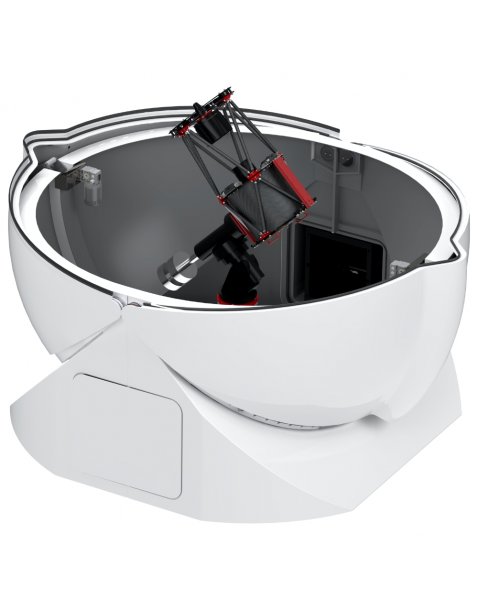
ASTRO-RES is the research and education observatory built around a single or dual telescope on equatorial mount, and it is really customisable. You choose the optical tube, and the camera, and we design the observatory around them. It is what a university department picks when the instrument has to match a specific research programme.
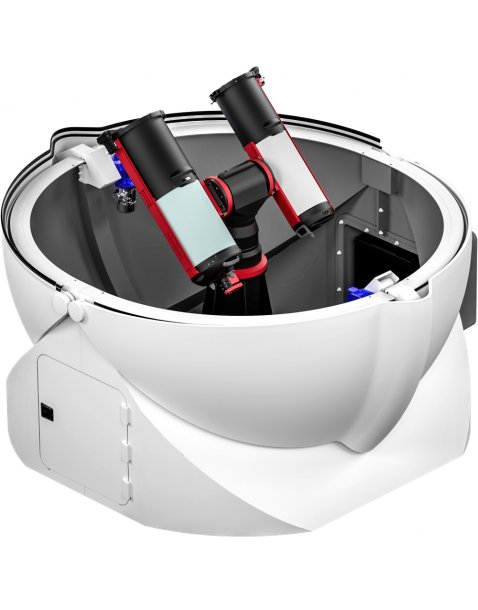
DUAL-PRO brings professional level performance into a compact observatory. The high precision alt-azimuth mount carries a much higher load, so it supports larger apertures than DUAL-COMPACT while keeping the same dual telescope logic. For institutes that need research grade results without building a large facility.
BINO-SSA pairs two telescopes optimised for a very large field of view, so it covers wide areas of sky in a single exposure. Beyond survey work it is also used for space situational awareness and the study of space debris. If that is your main application, you will find the full range of space systems on primalucespace.com.
Tell us your site, your budget and what you want to observe. We check foundation, power, network and sky conditions, design the configuration and issue a written quotation you can attach to a funding application, with the technical documentation your procurement office needs.
Every Observatory Station is fully assembled and tested at our headquarters in Italy before it ships. Nothing reaches your site untested. Typical lead time is 2 to 8 months from order to delivery.
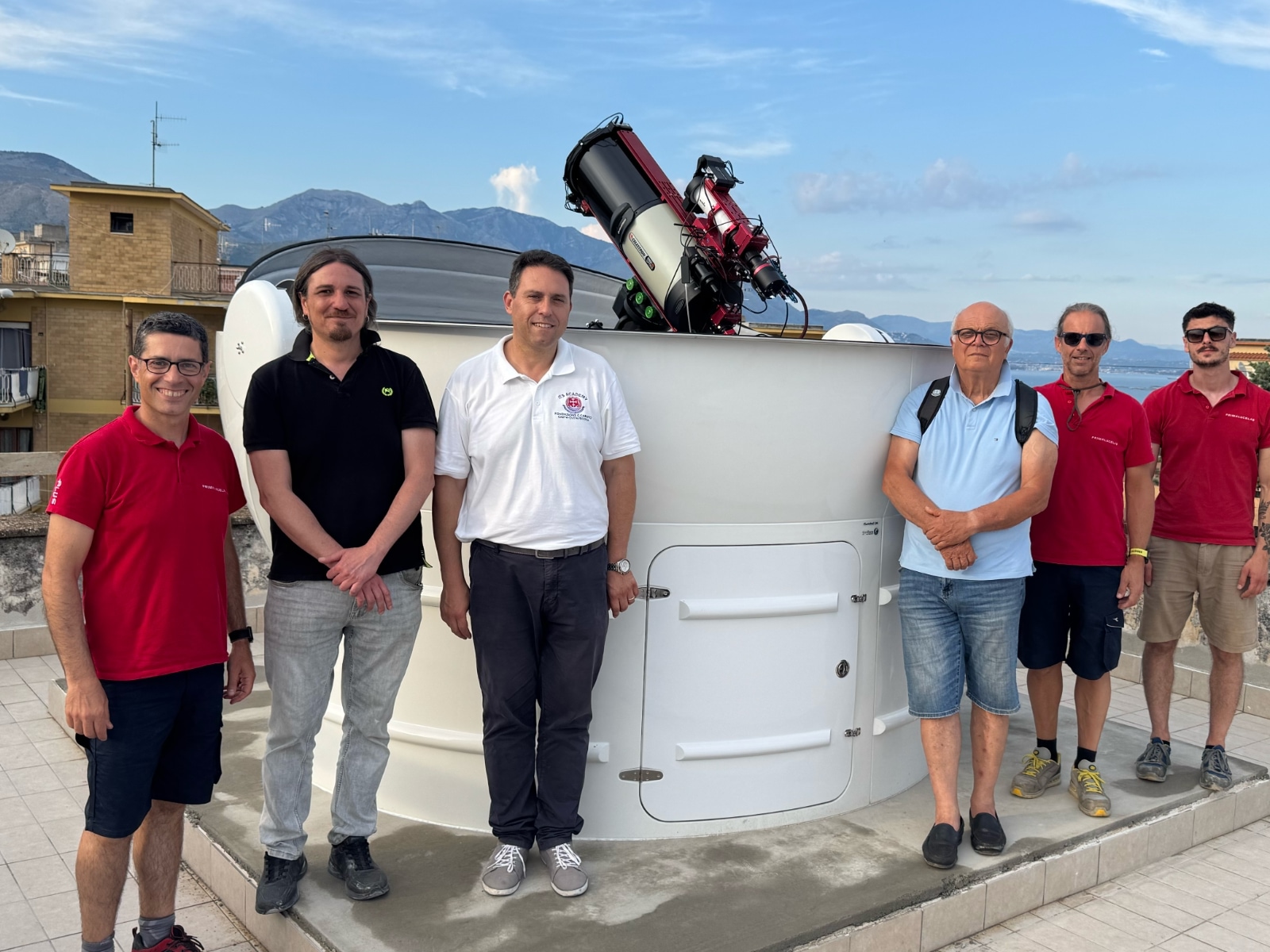
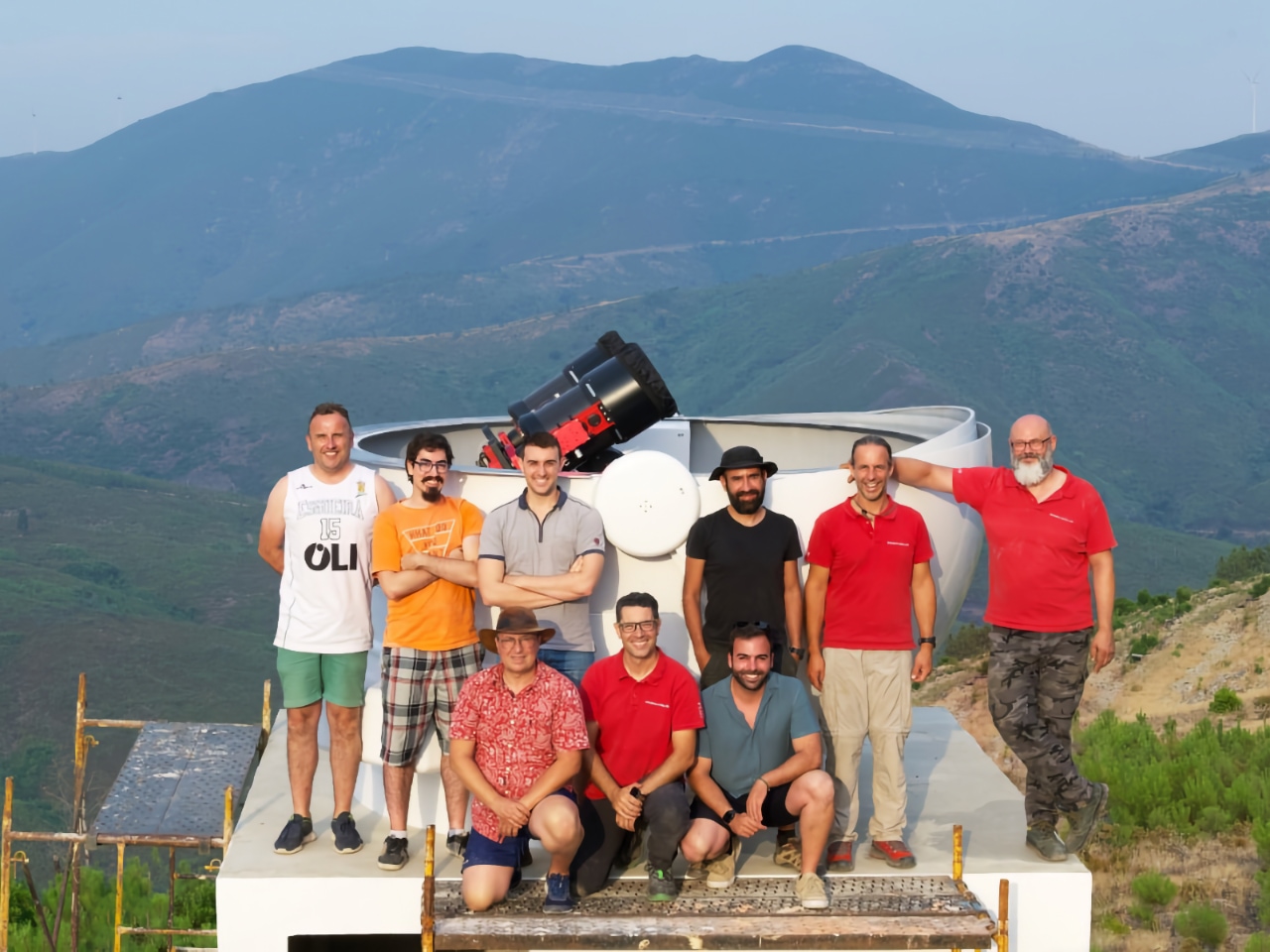
Our team installs the dome, the pier, the mount and every instrument, and runs the training session with your staff on PLAY before leaving. We ship and install worldwide.

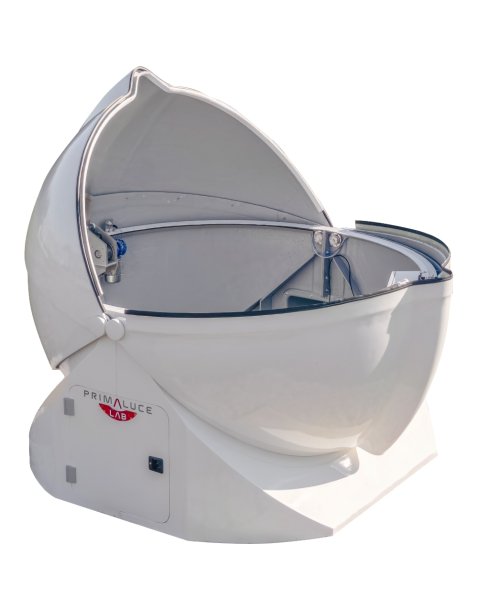
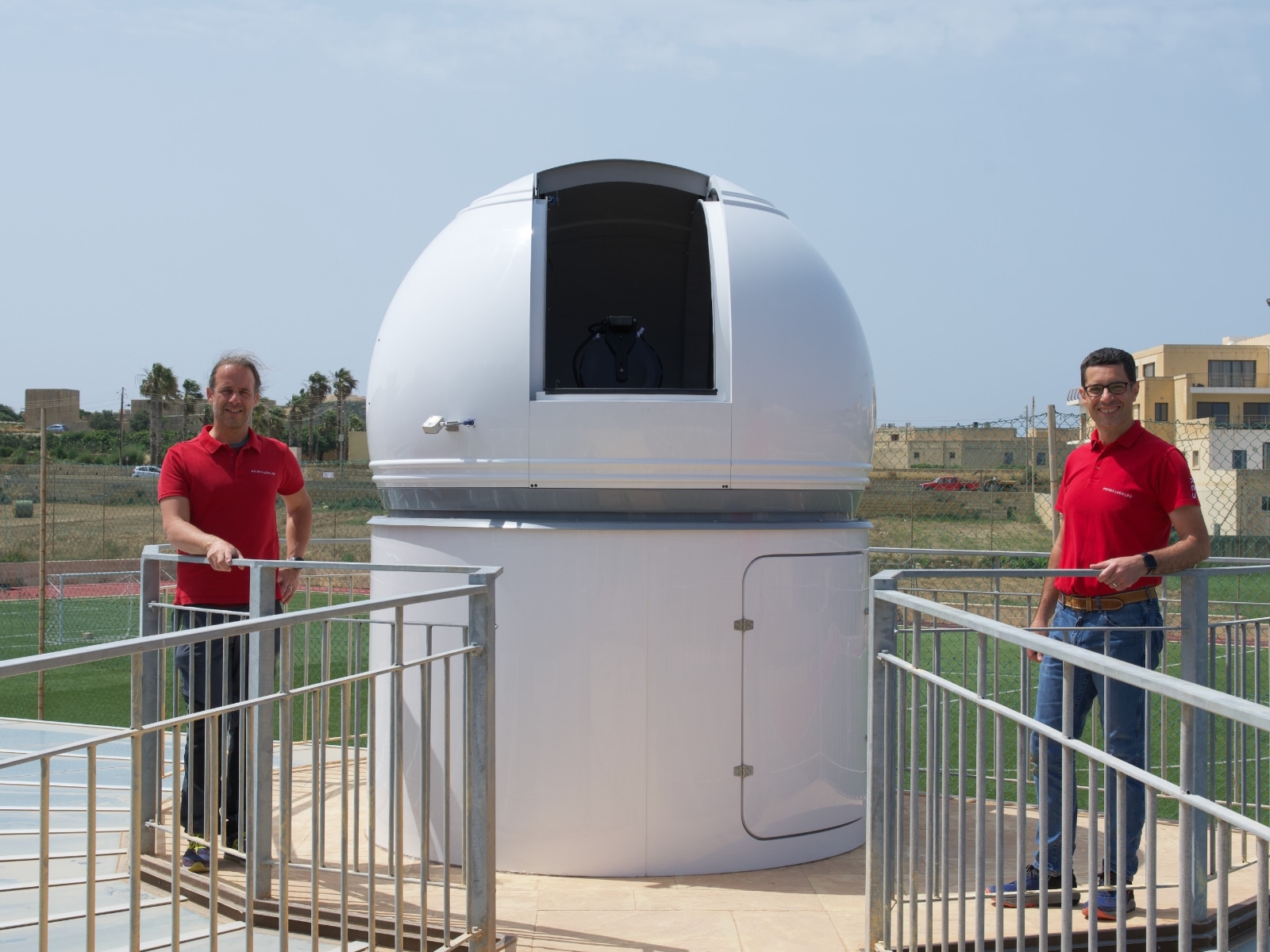
OUTPOST 3M dome engineered for high and low temperatures and strong wind, with automated safety closing in case of power loss or bad weather.
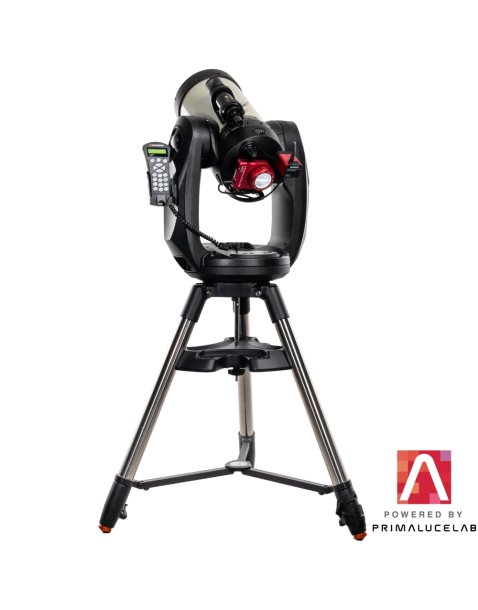
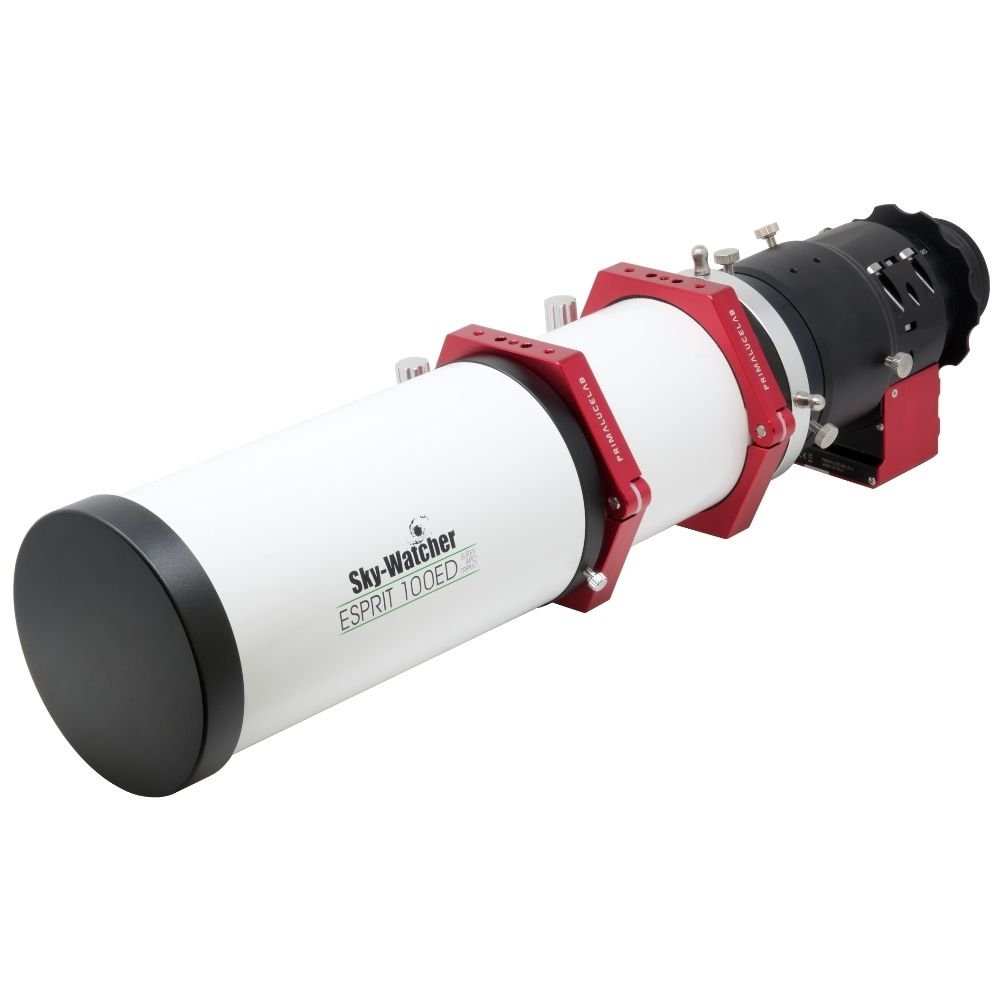
Optical tubes and cameras selected with you, not imposed.
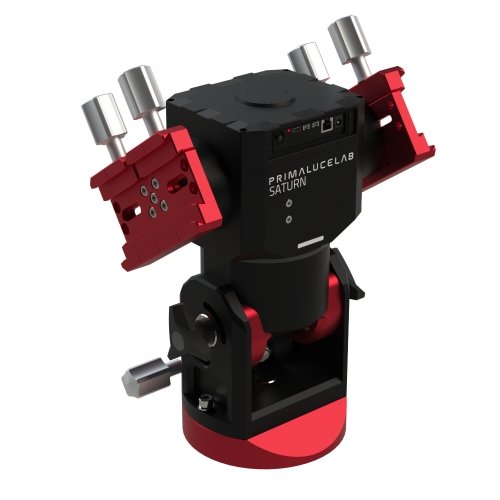
Pier and mount sized for the optics you choose, so pointing and tracking stay accurate for years.
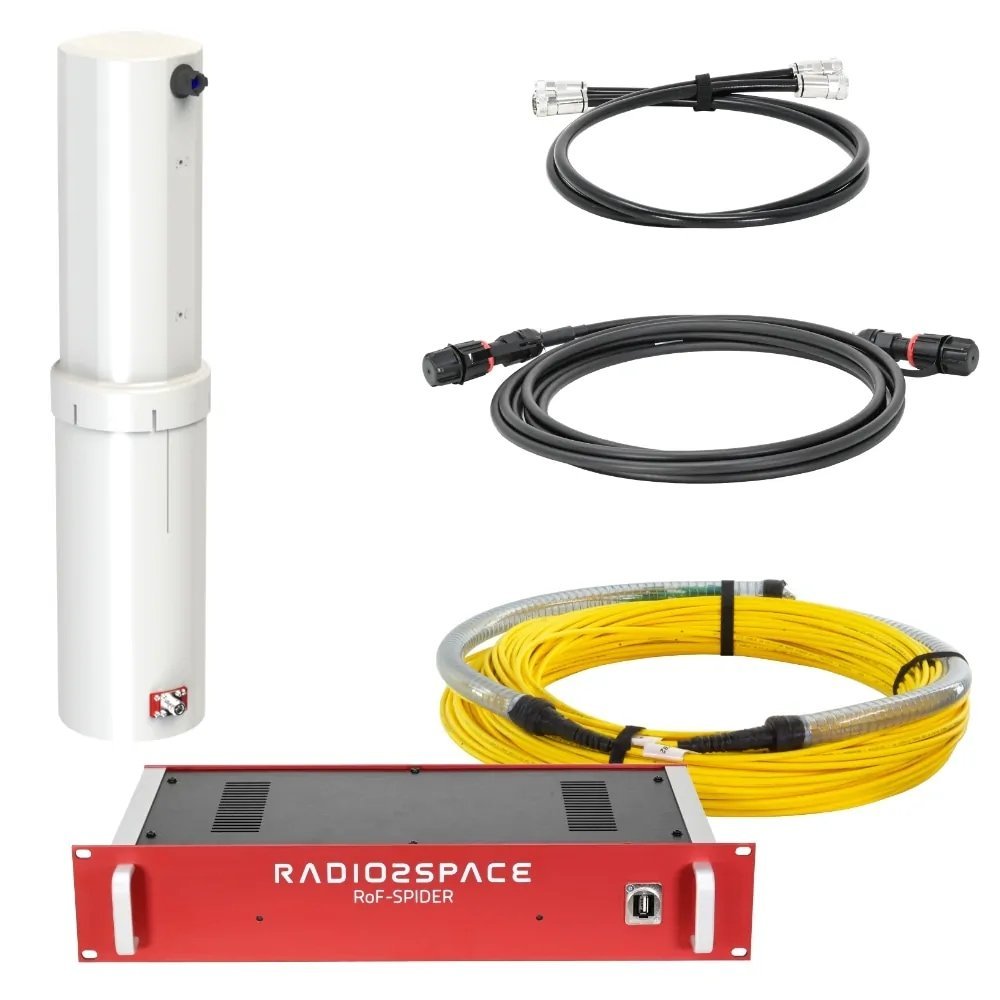
EAGLE control computer with power management for every device, and PLAY software to run the observatory from one interface.
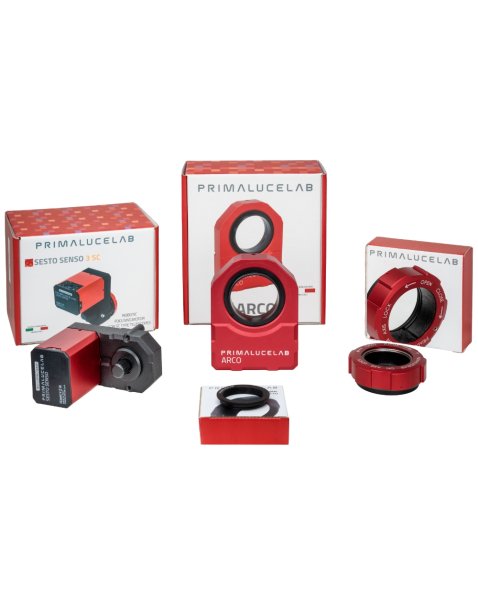
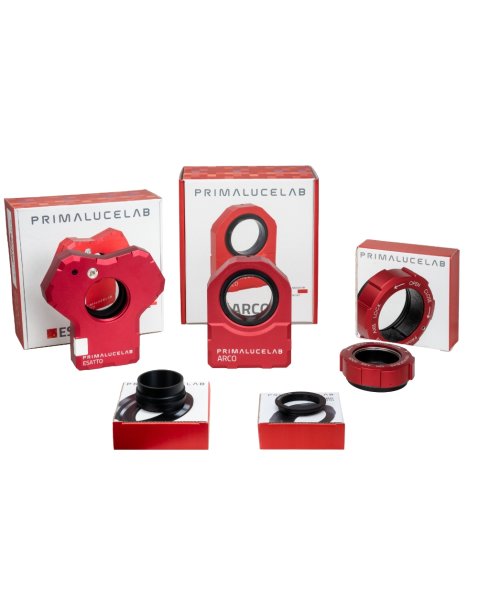
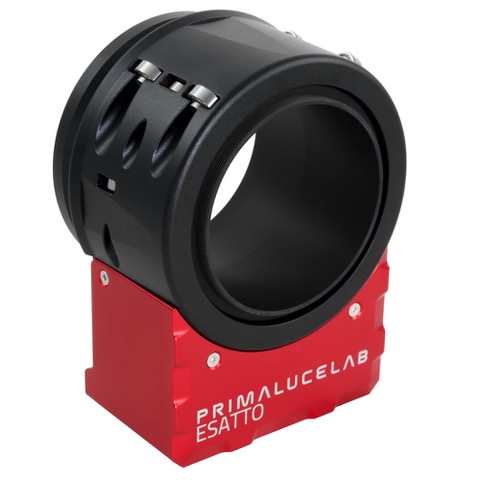
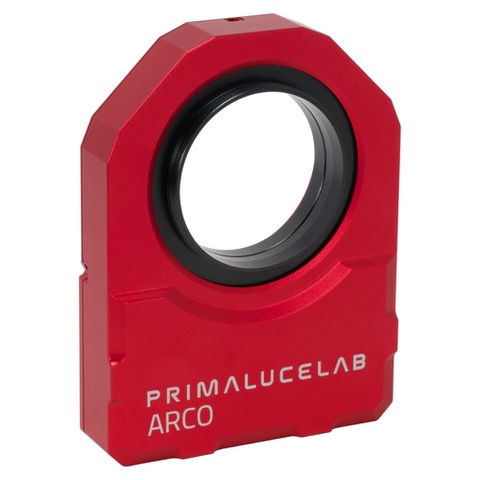
ESATTO or SESTO SENSO focusing solutions and ARCO rotator, for repeatable focus and framing with nobody on site.
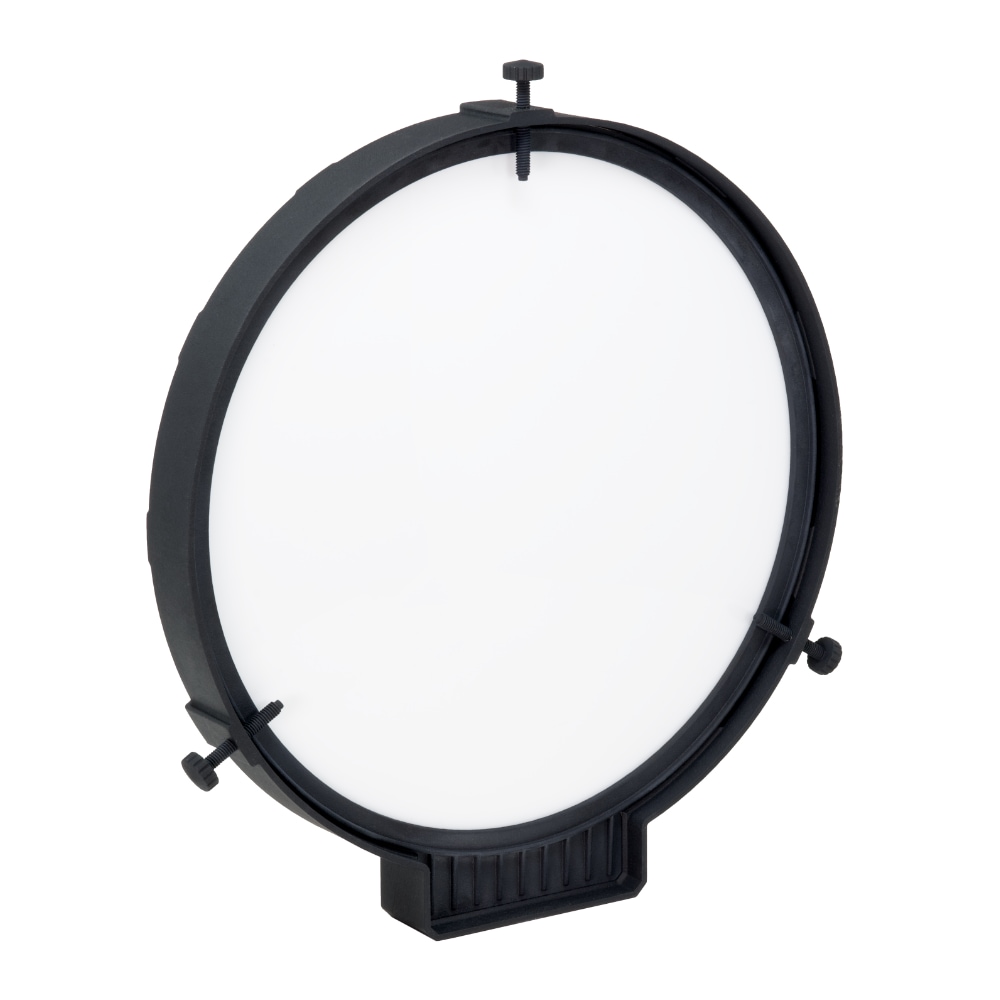
GIOTTO flat field generator with ALTO cover motor, so calibration frames are taken automatically.
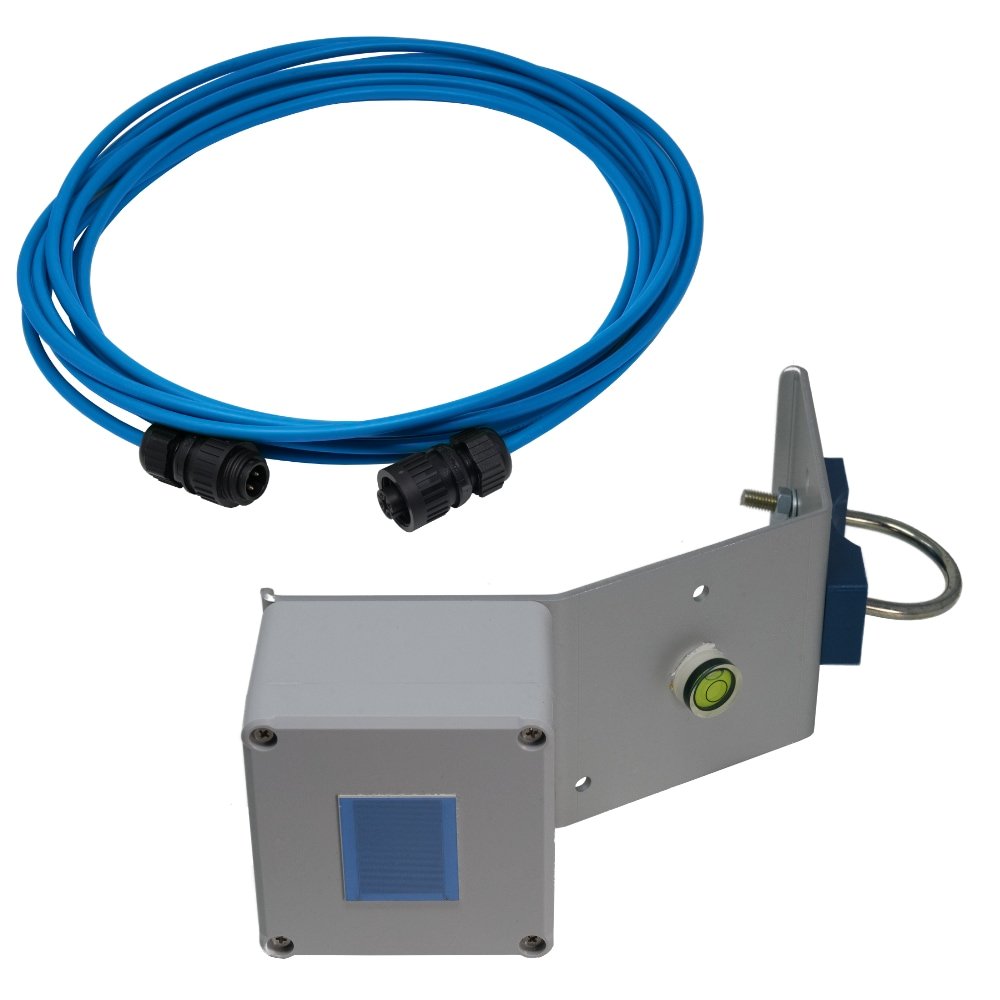
ECCO environmental module to monitor conditions inside the observatory.
ASCOM compatibility, so you can add third party Windows software and instruments at any time.
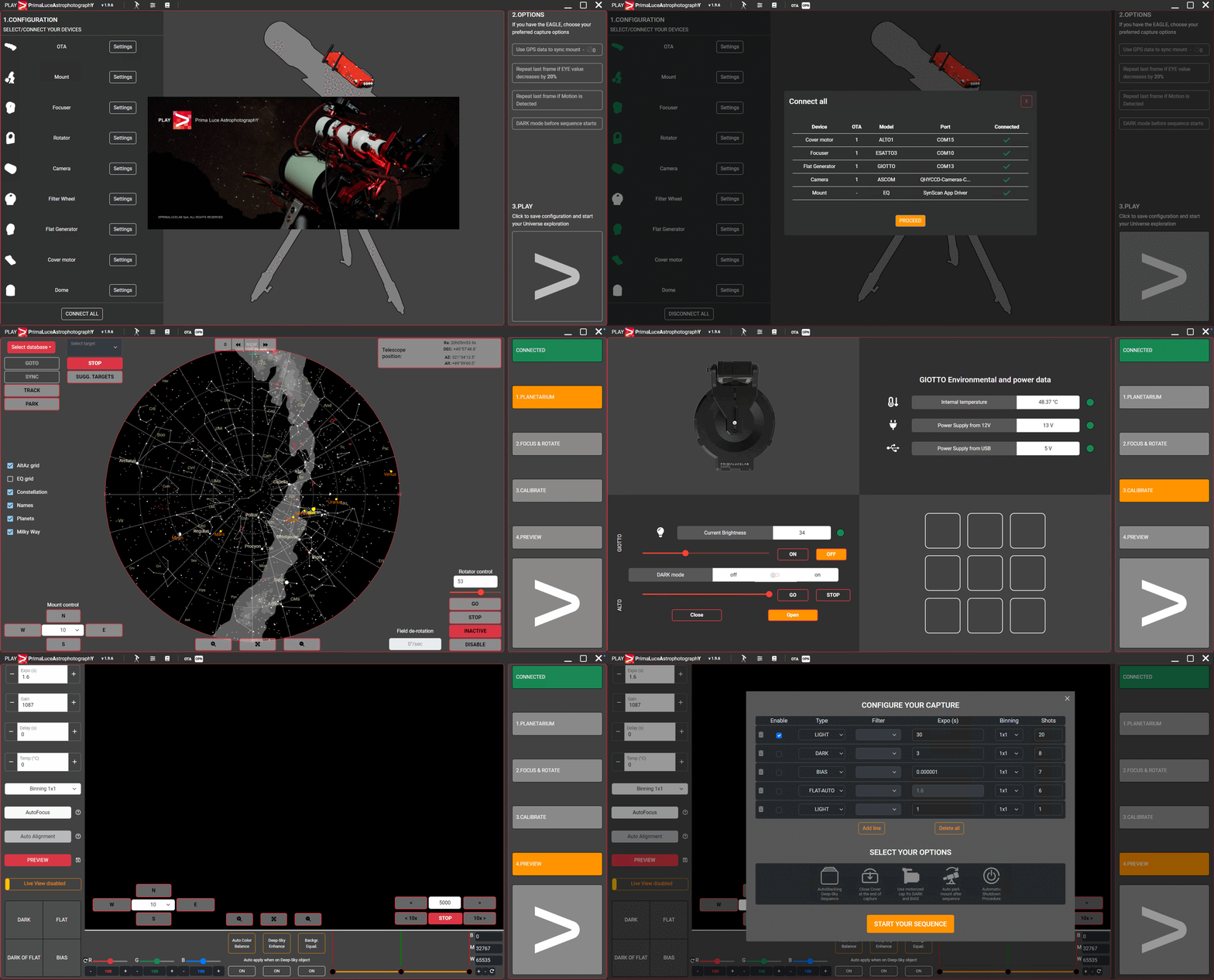
An observatory is only useful if people actually use it. PLAY is the software we develop and include with every Observatory Station, and it runs the entire system from a single interface: mount, focuser, rotator, camera, ad calibration devices, all in one place instead of five different programs that somebody has to keep talking to each other.
A student can learn it in an afternoon. A researcher keeps full control, because PLAY runs on the ASCOM platform and works with the instruments and the third party Windows software you already use. The observatory is automated, not closed.
From a single interface you find your target on the Planetarium sky chart and check the field of view before the telescope moves, focus with ESATTO and rotate the field with ARCO, capture and stack your images, and take flat frames with GIOTTO and ALTO at the end of a session. You power every device on and off through the EAGLE computer from anywhere, monitor conditions inside the observatory with ECCO, and open, and close the dome automatically.

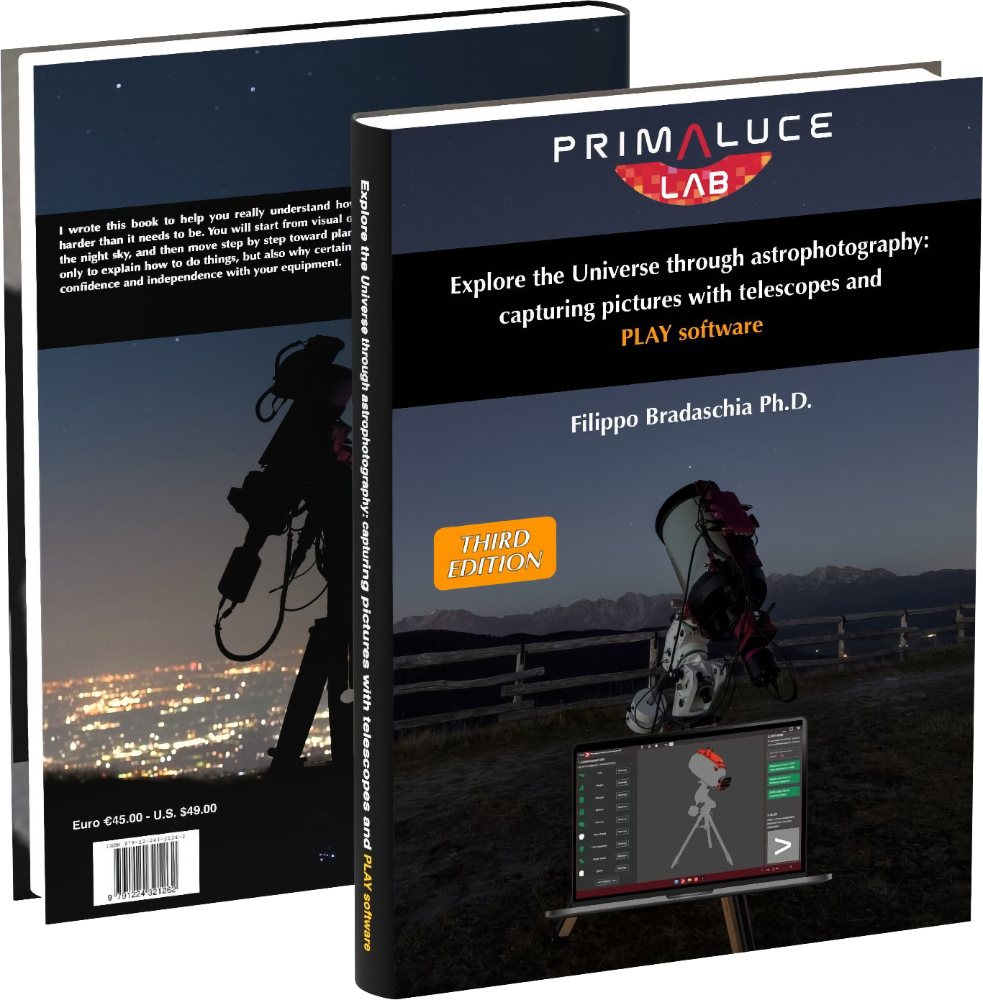
Written by Filippo Bradaschia, co-founder of PrimaLuceLab. 220 pages that take you from visual observation to planetary, lunar and deep-sky imaging with a modern telescope, and one full chapter on how to control an Observatory Station with the EAGLE computer and PLAY software. It is the manual we give to the people who will actually operate the observatory. Teachers preparing a course, students starting a thesis, technicians who will run the system every week.
Also available as a free PDF in the User Manuals section.
Each Observatory Station has its own page with the complete configuration and the full list of what is included. Every system is customisable, so the page is a starting point and not a fixed catalogue item.